Spike-shaped membrane to protect concrete from moisture

Protecting concrete from moisture is a key task in the construction of foundations, basements, socles and blind areas. Even high-quality waterproofing requires additional protection and water drainage. This is exactly what a spiked membrane is used for - a reliable and proven solution in modern construction.
What is a spiked membrane for? 
The spinous membrane performs several functions at once:
-
 protects the waterproofing layer from mechanical damage;
 -
creates a drainage gap for water drainage;
-
reduces hydrostatic pressure on concrete structures.
Vertical and horizontal application
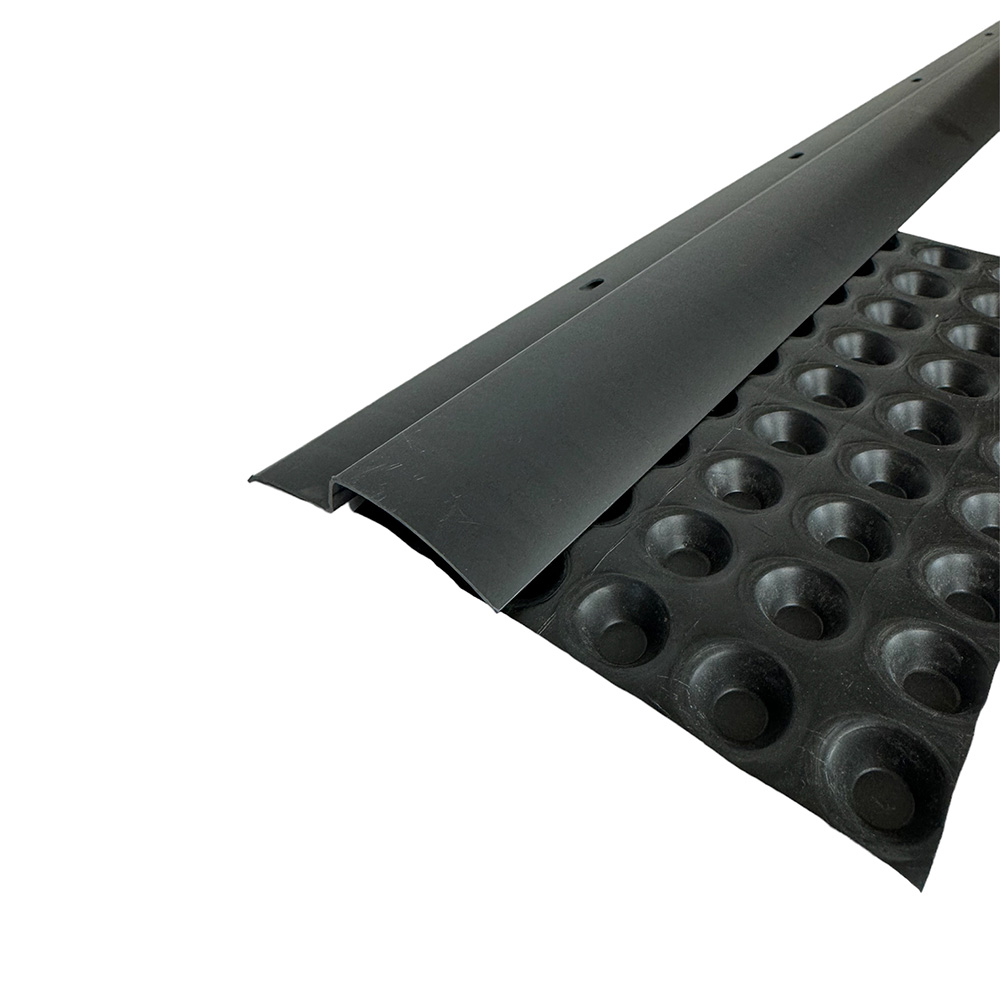
A vertically studded membrane is used to protect the waterproofing of foundations and basement walls. It is installed along the concrete surface and directs moisture downwards to the drainage system.
Horizontal membrane is used for: .jpeg)
-
blind area;
-
drainage layers;
-
protection of slabs and floors on the ground;
-
surface and groundwater drainage.
How to properly install a spiked membrane
One of the most common mistakes is incorrect membrane orientation.
-
 When installed vertically, the membrane is nailed to the wall . This creates a ventilation and drainage gap between the concrete and the membrane.
 -
When used horizontally. The spiked membrane is laid on a prepared base: for paving - spikes up with the plant on the base, for concrete subfloor and rough screed - spikes to the ground, for roads and operated roofs - spikes and geotextiles up.
Spinous membrane density
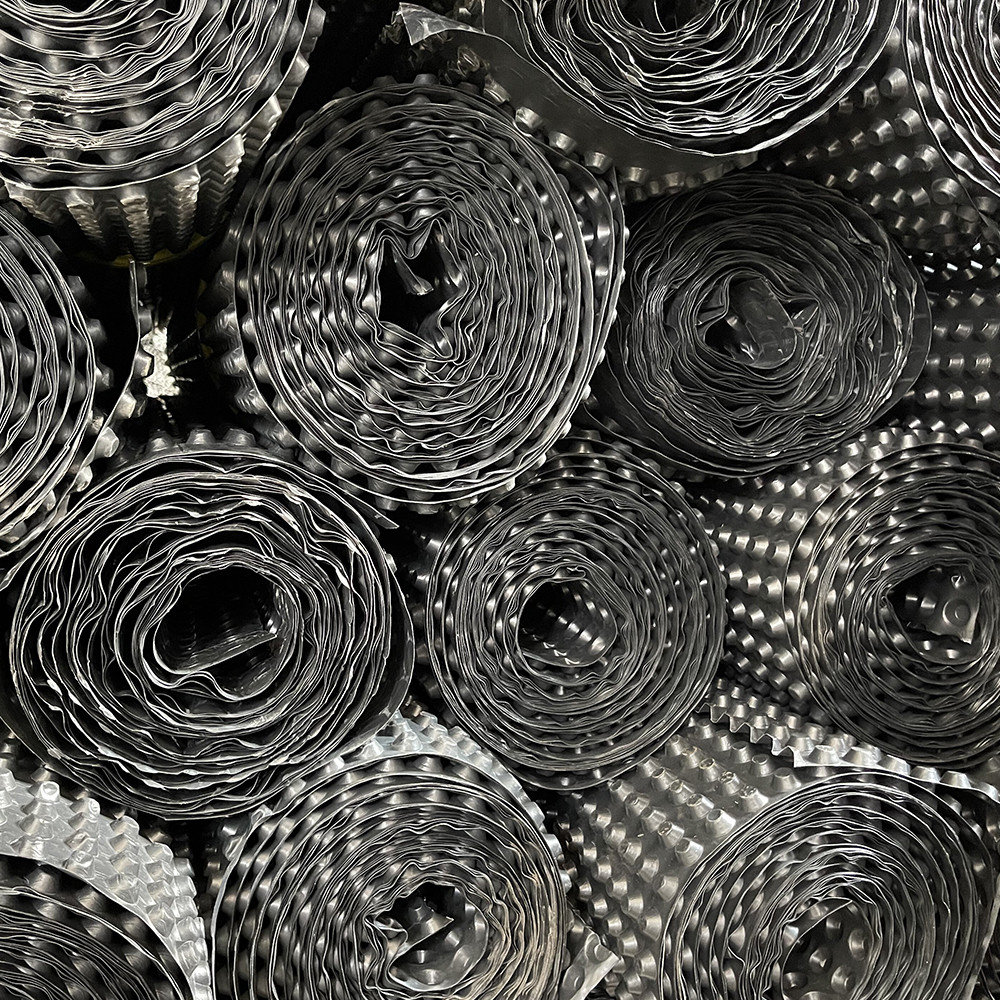
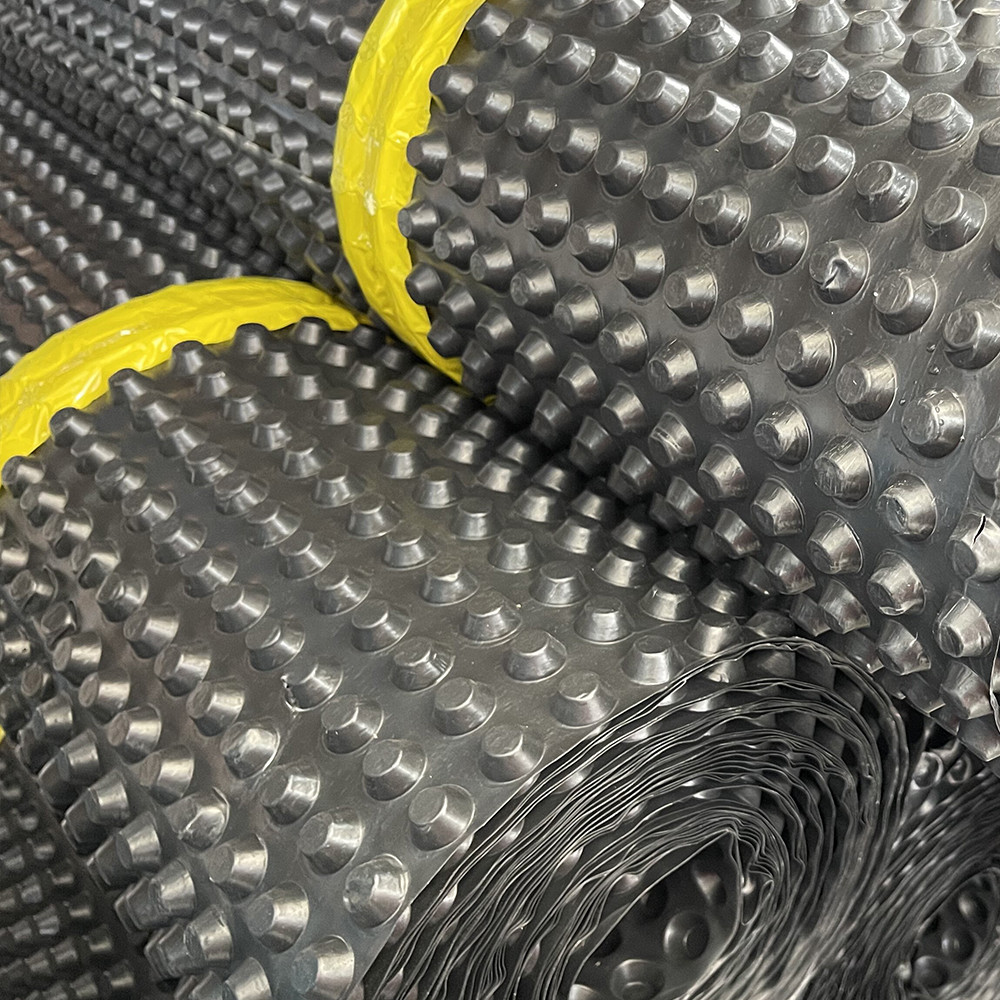
The spiked membrane is manufactured with different densities — 400, 500 and 600 g/m² , and this indicator directly affects its strength, resistance to soil pressure and durability of work in the structure. The correct choice of density is critical for effective foundation protection and waterproofing.
The main selection criterion is the depth of the foundation and the level of soil loads . For foundations up to 2 meters deep, a membrane with a density of 400 g/m² is sufficient. It effectively protects the waterproofing under moderate pressure conditions and is suitable for private housing construction.
With a foundation depth of 2 to 4 meters, it is recommended to use a membrane with a density of 500 g/m² . Such material has increased strength and better withstands soil pressure, which is especially important for basements and more difficult operating conditions.
For foundations over 4 meters , as well as in cases of complex soils, high groundwater levels or significant mechanical loads , the optimal choice is a spiked membrane with a density of 600 g/m² . It provides maximum protection and stable operation of the drainage gap throughout its entire service life.
The general rule is simple: the greater the depth of the foundation and the load, the higher the density of the studded membrane should be . This ensures the reliability of the system and prevents damage to the waterproofing in the future.
Geotextile membrane: when is it necessary?
The most effective solution is a spiked membrane with geotextile . Geotextile performs a filtration function - it allows water to pass through, but retains soil particles, preventing siltation of the drainage gap.
If the membrane is without geotextile, this is not a problem. It can be combined with a thermobonded geotextile with a density of 100 g/m² or more , laid separately.
 We have been working with spiked membranes for many years , we know their features well and help you choose the optimal solution for a specific project. All types of membranes and geotextiles are constantly available in stock , which allows us to quickly meet the needs of builders.
A spiked membrane is not just a waterproofing protection, but an important element of the moisture removal system. The correct choice of density, the presence of geotextiles and compliance with installation technology guarantee the durability of concrete structures and the absence of problems in the future.
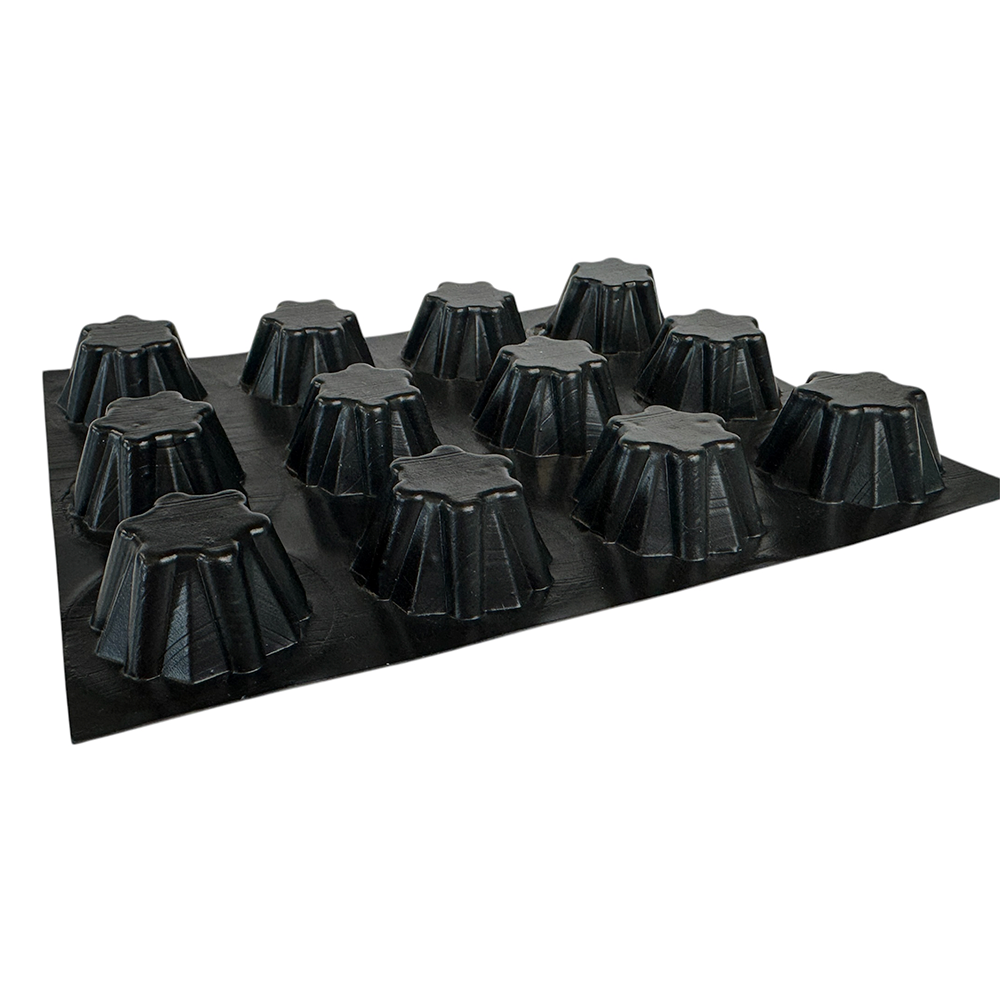
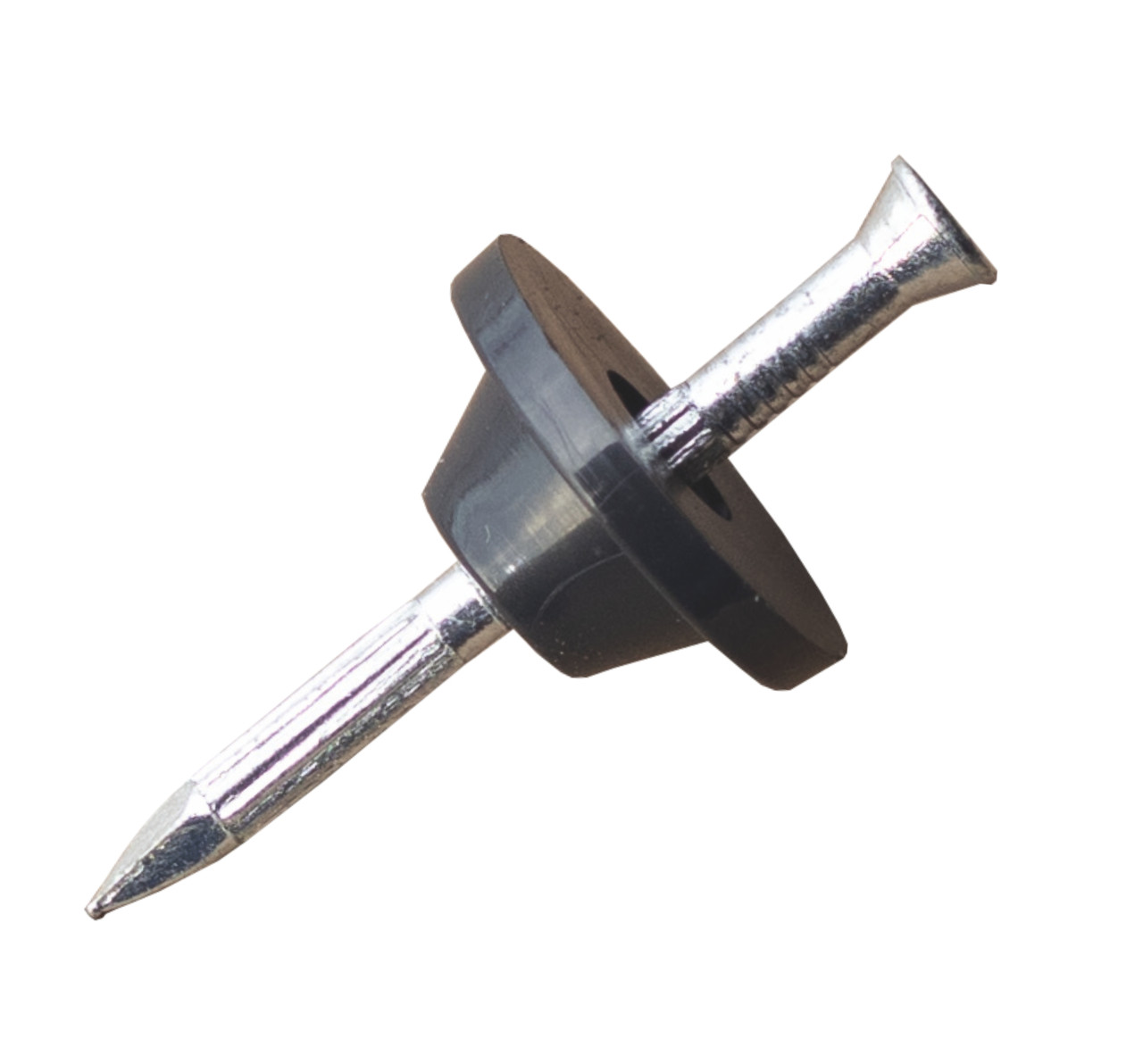
Nails with plugs to fasten the pivic membrane Sntdrain 100 nails + 100 plugs
Product code: 0389
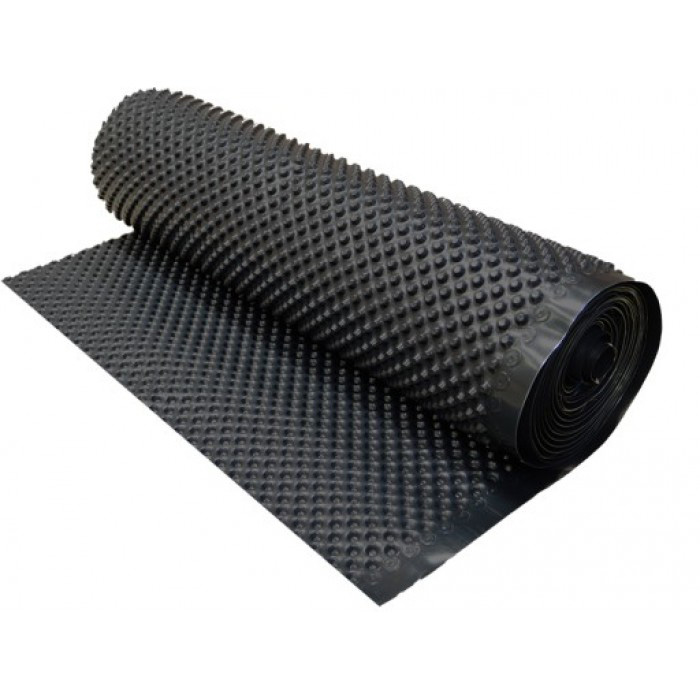
Ship -like membrane for drainage density of 400 g/m2, rolls 1x20 m
Product code: 0040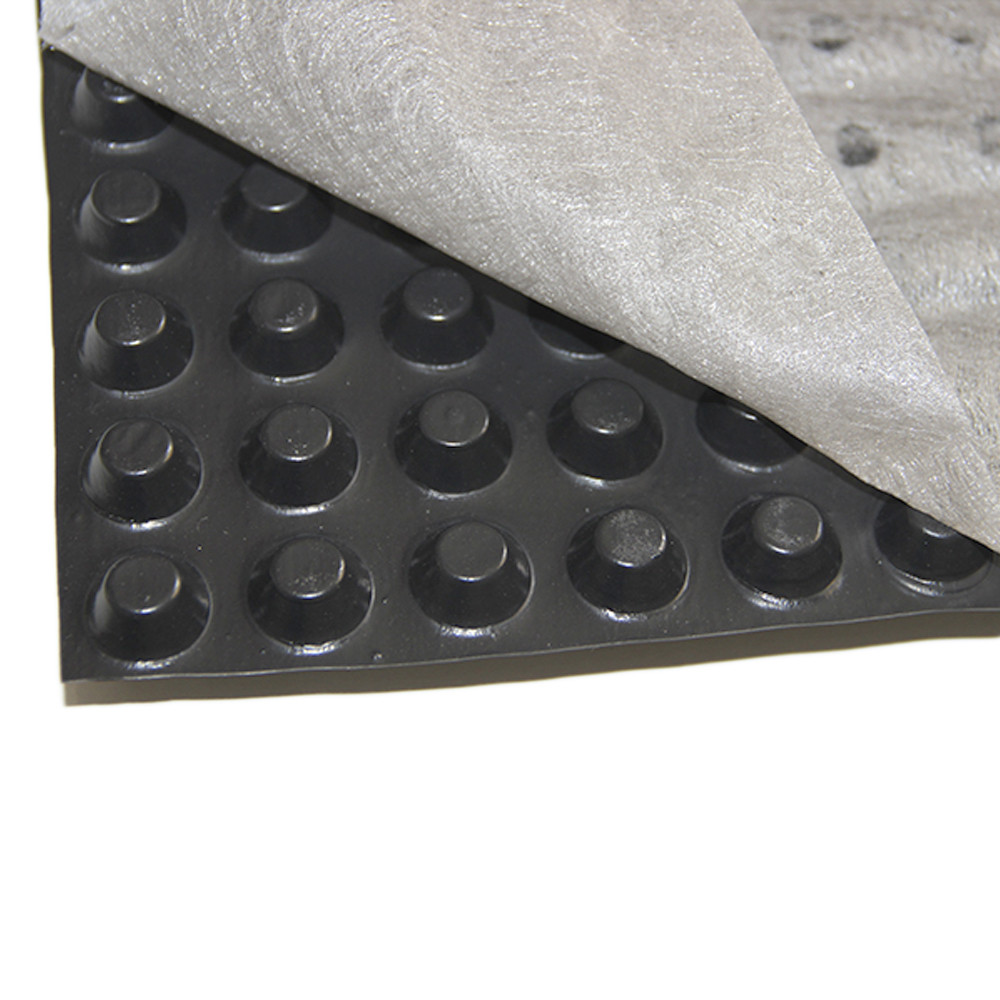
Spike-shaped membrane with geotextile SNTDrain 550 g/m2 + 150 g/m2, 2x20 m
Product code: 0335