Bentonite cord: technical analysis and experiment
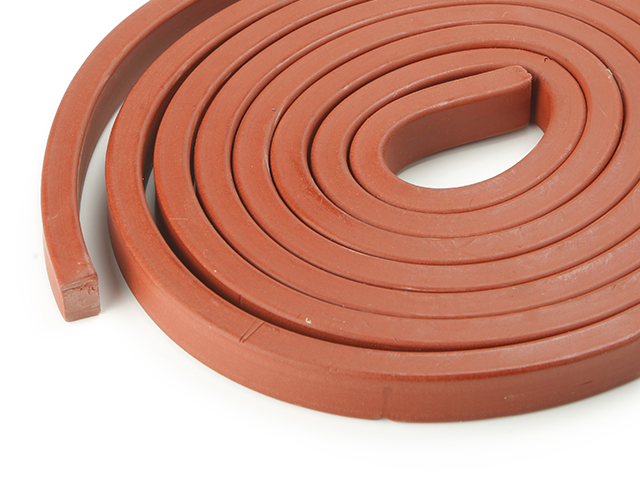
Bentonite cord is suitable for sealing construction, cold and assembly joints in concrete structures. Its unique property is swelling upon contact with water, which allows it to effectively block leaks even in the most difficult operating conditions.
Working principle
The main component of the cord is sodium bentonite, which increases in volume by 2–5 times when exposed to moisture. Once between concrete elements, the cord fills microcavities, compacts and creates a hermetic barrier. In a confined space, between two layers of concrete, it cannot expand freely, so the pressure that arises during swelling compacts the material and ensures complete watertightness of the joint.
This effect is especially valuable in places with high hydrostatic pressure — for example, in foundations, underground parking lots, tanks, or swimming pools.
 Experiment: How Bentonite Cord Works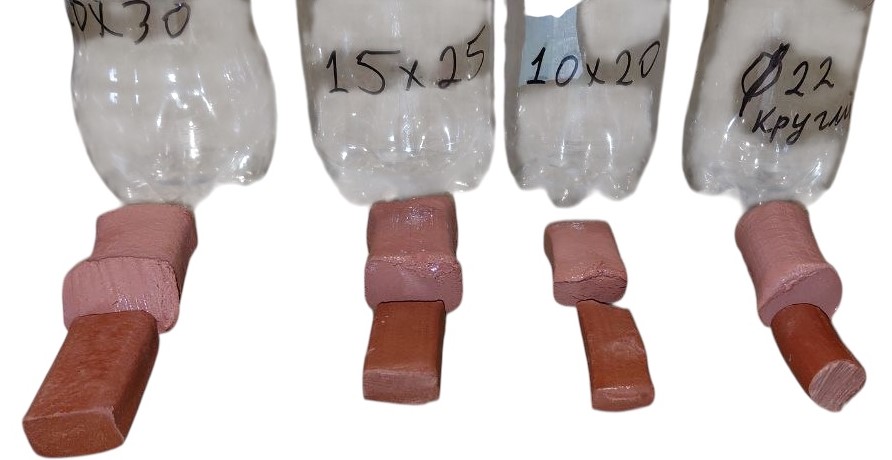
To demonstrate the effectiveness of bentonite cord, a test was conducted: a sample of the cord was placed in a glass of water. Gradually, the cord began to actively increase in volume. This clearly shows its ability to create a reliable waterproof barrier even after prolonged contact with moisture.
It is important that the material retains its properties even after multiple cycles of swelling and drying, without losing its sealing ability.
Scope of application
Bentonite cords are used for:
 sealing of working and cold concreting joints;
sealing of pipe penetrations, communications and holes from formwork tie screws;
sealing joints of prefabricated reinforced concrete structures;
waterproofing of wall/floor joints;
protection of swimming pools, tanks, collectors, basements and underground structures.
The technological map for the use of bentonite cord applies to all types of monolithic construction - industrial, civil, private and hydraulic.
Advantages of bentonite cord
easy installation - no special tools or training required;
flexibility and plasticity - easily laid on uneven surfaces of any shape;
resistance to freezing and thawing;
withstands water pressure up to 7 atmospheres;
does not lose its properties even after many cycles of drying and swelling;
compatible with most adhesives and assembly sealants;
economical solution compared to other types of waterproofing.
Installation conditions
Sealing work using bentonite cord is carried out at temperatures from -35°C to +50°C (for adhesive fastening - from +5°C). The surface must be dry, strong, free from dust, oils and moisture.
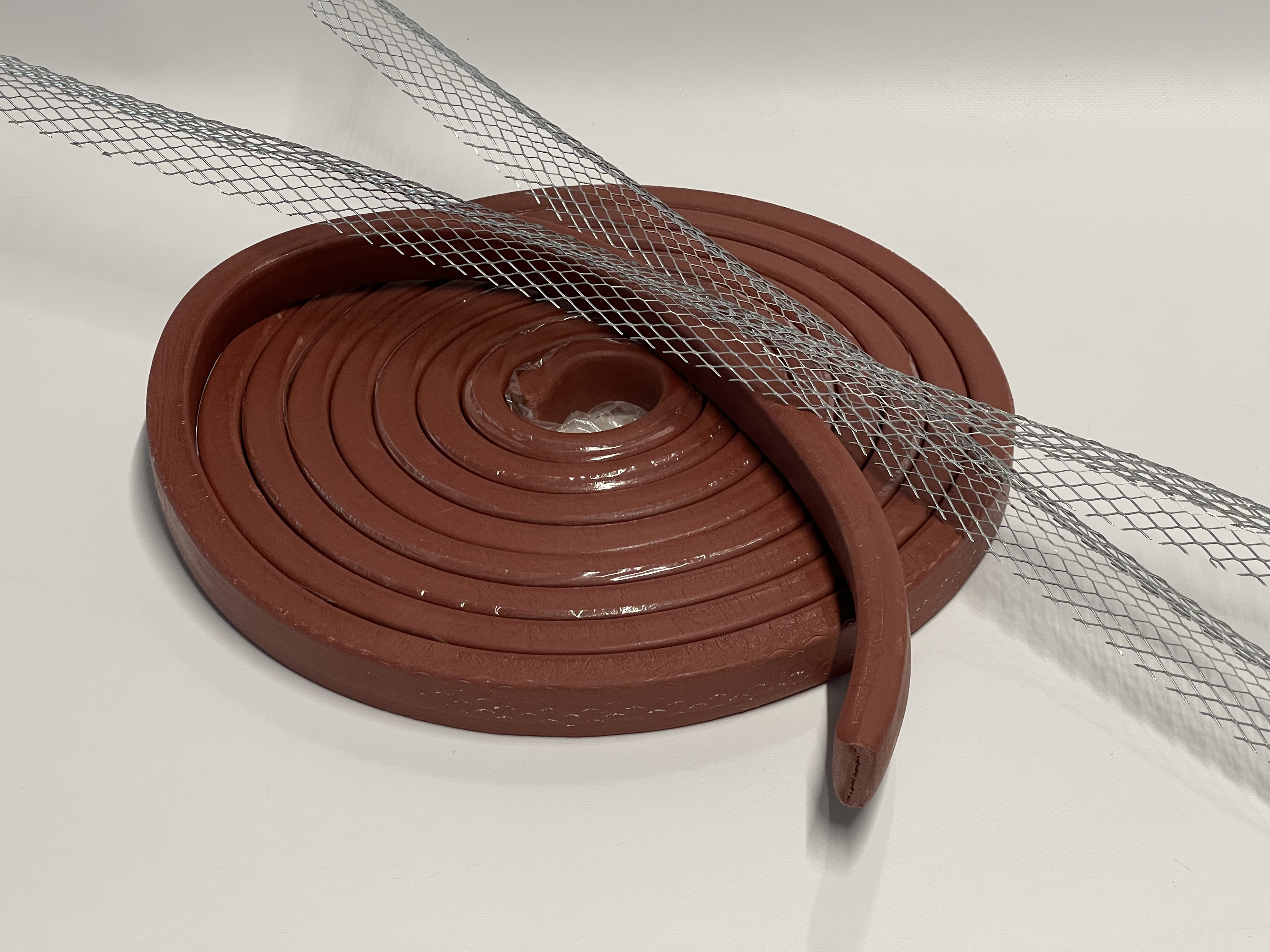
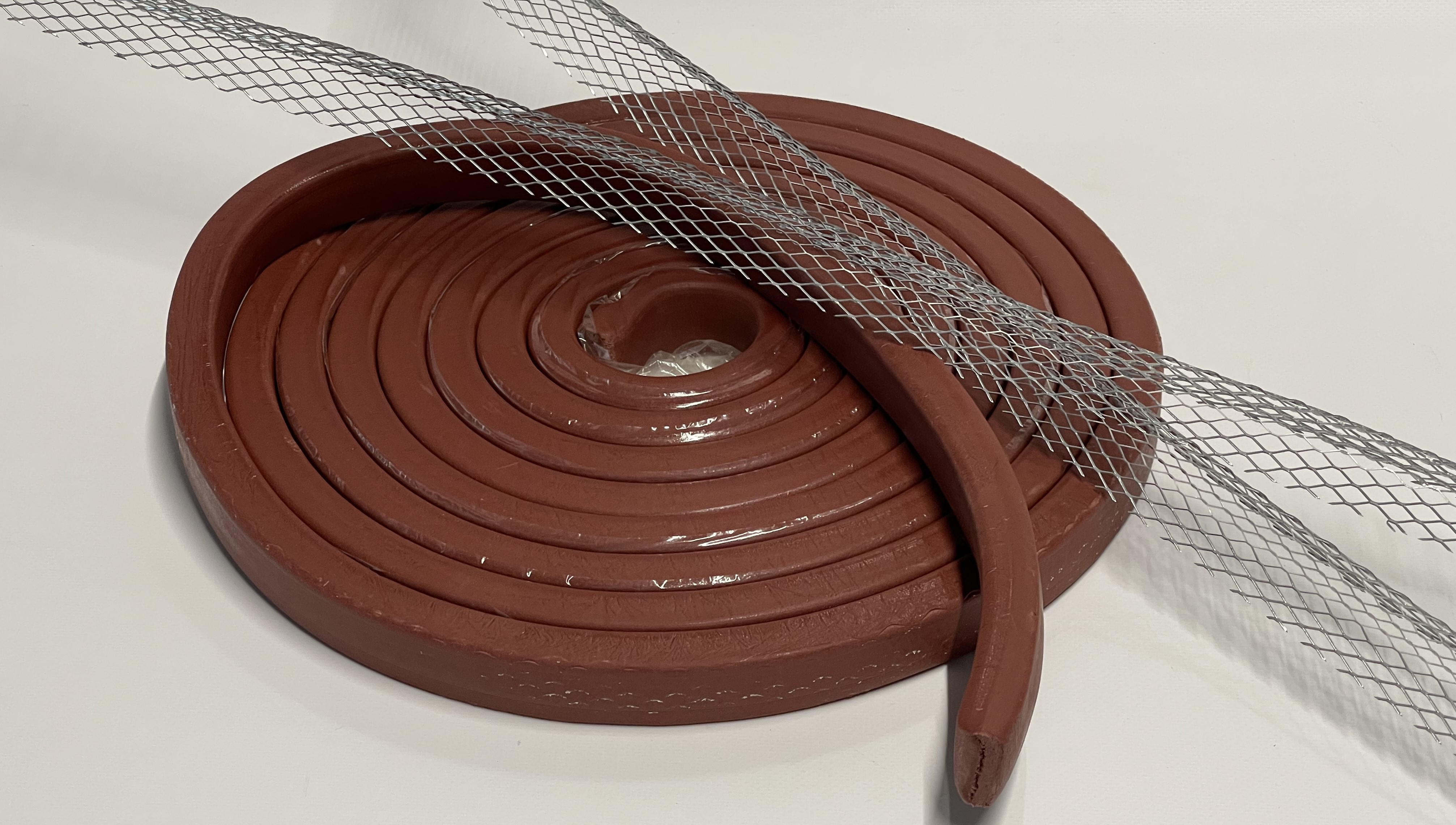
The cord is attached mechanically (with dowels or mesh) or with glue. When installing around penetrations, the cord is wrapped around at least 2.5 turns and fixed with wire.
Bentonite cord is a reliable, time-tested material for waterproofing concrete joints. Its unique property of swelling upon contact with water makes it indispensable in the construction of facilities where tightness is crucial.
The experiment showed that within a few days of contact with water, the cord forms a dense, elastic waterproof barrier capable of protecting structures for decades.
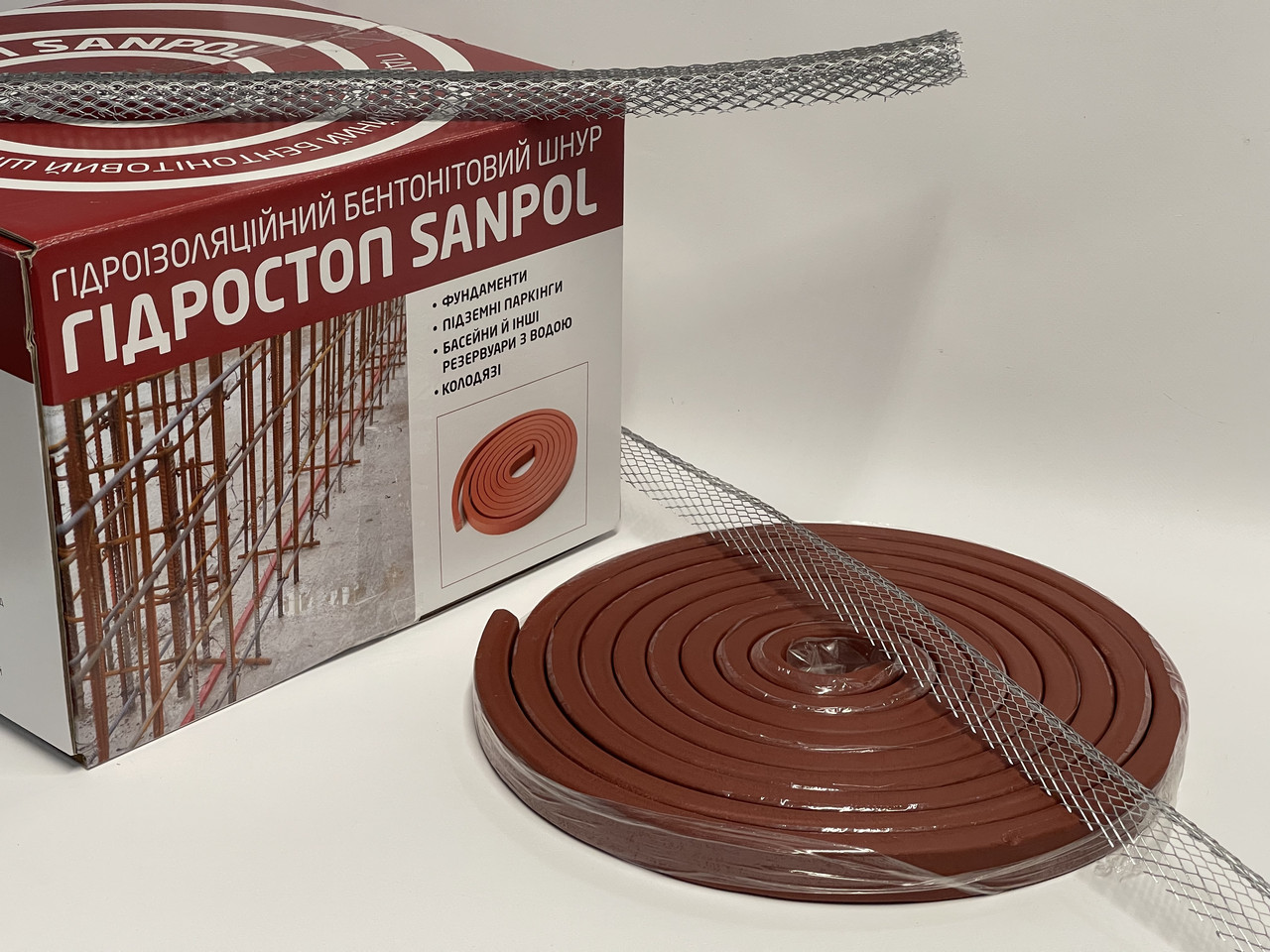
Set of cord 15x25 mm bentonite 40 m.p. + 40 m.p. fastening mesh for waterproofing working seams
Product code: 100005444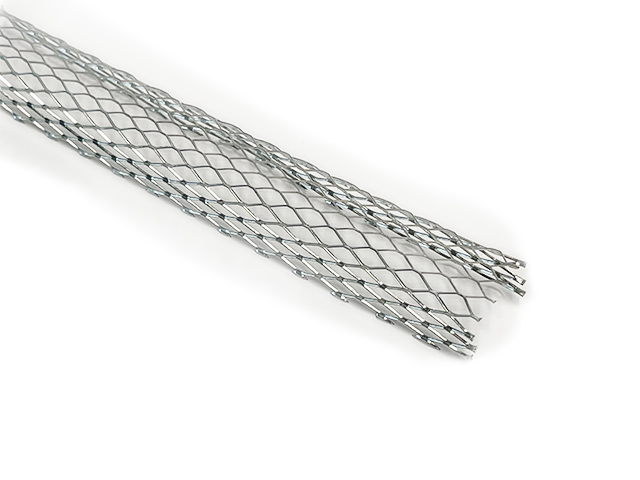

Bentonite cord for waterproofing and sealing working seams 5x20 mm, 5 m.p.
Product code: 0112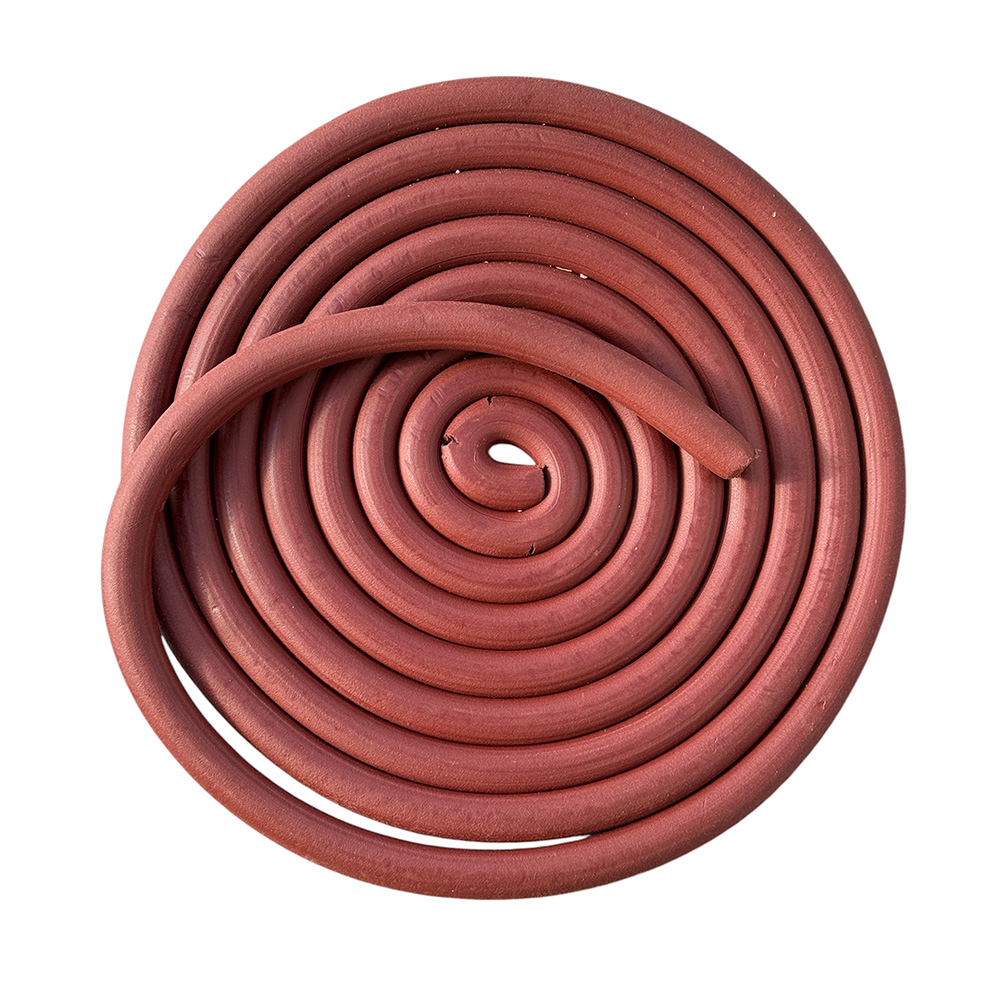
Round bentonite cord d22 mm for sealing holes in building structures, 5 m.p.
Product code: 0113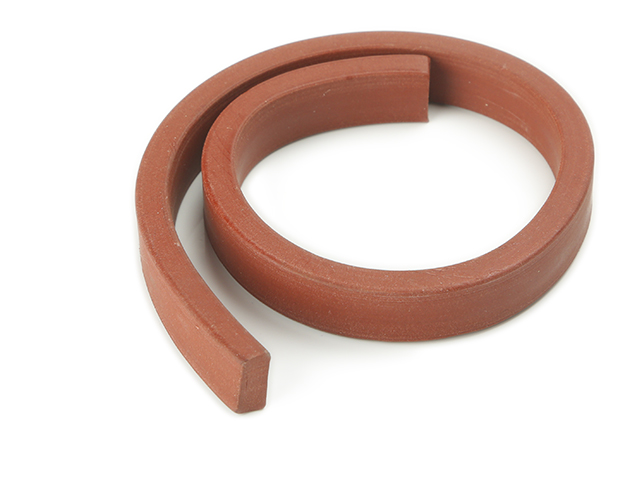
Bentonite cord 15x25 mm for waterproofing and sealing working seams, 5 m.p.
Product code: 0110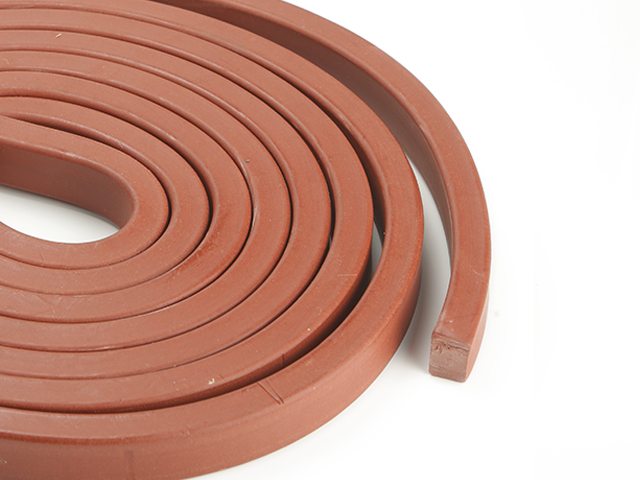
Bentonite cord 10x20 mm for waterproofing and sealing working seams, 5 m.p.
Product code: 0109