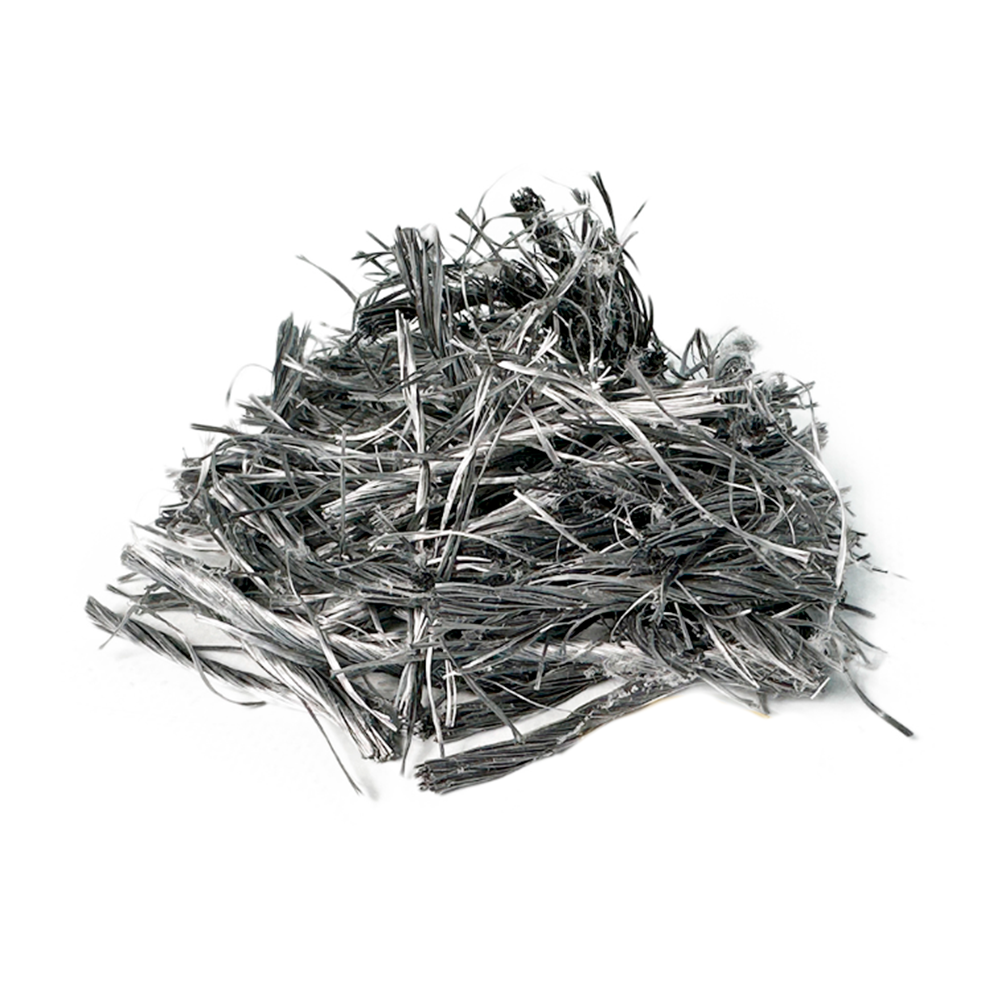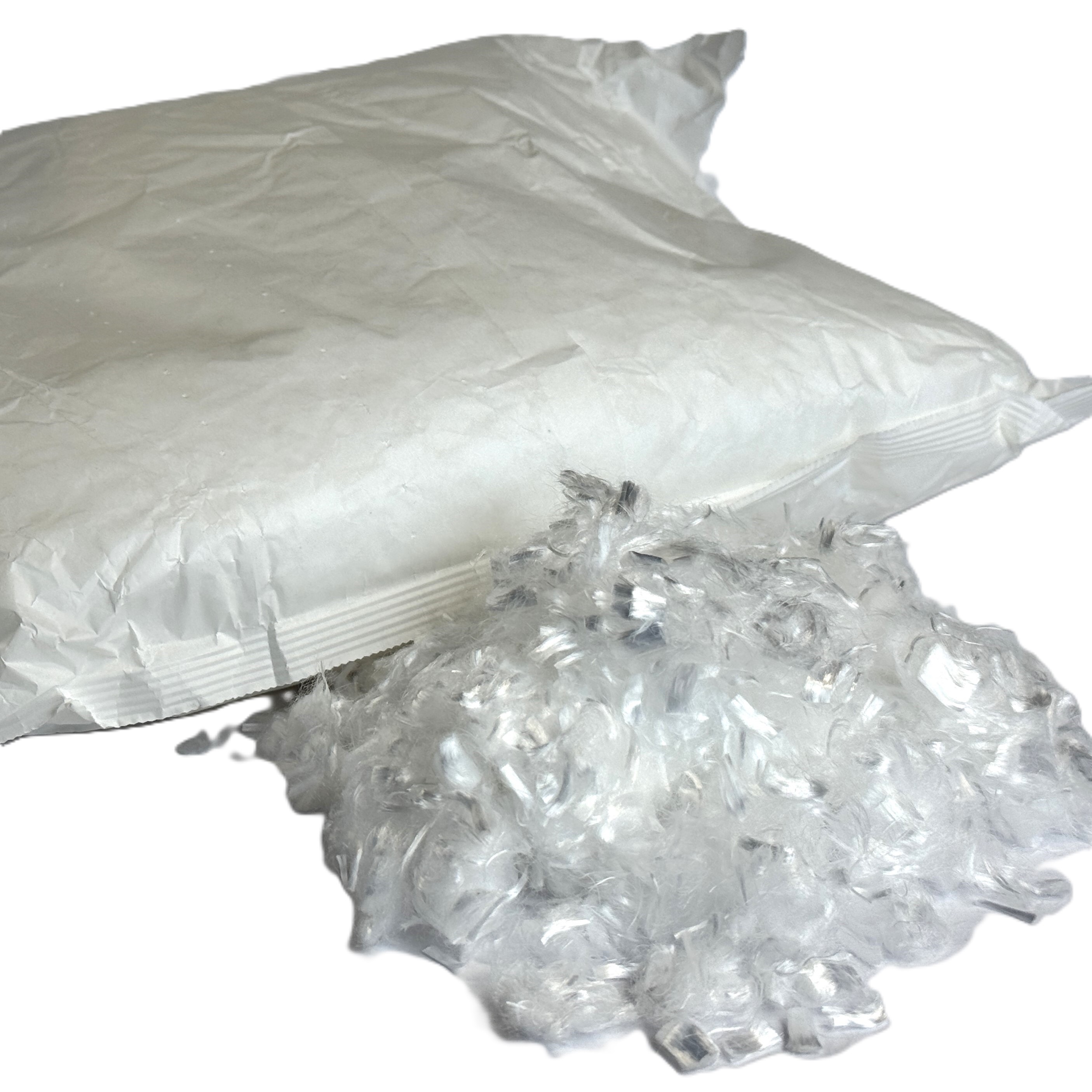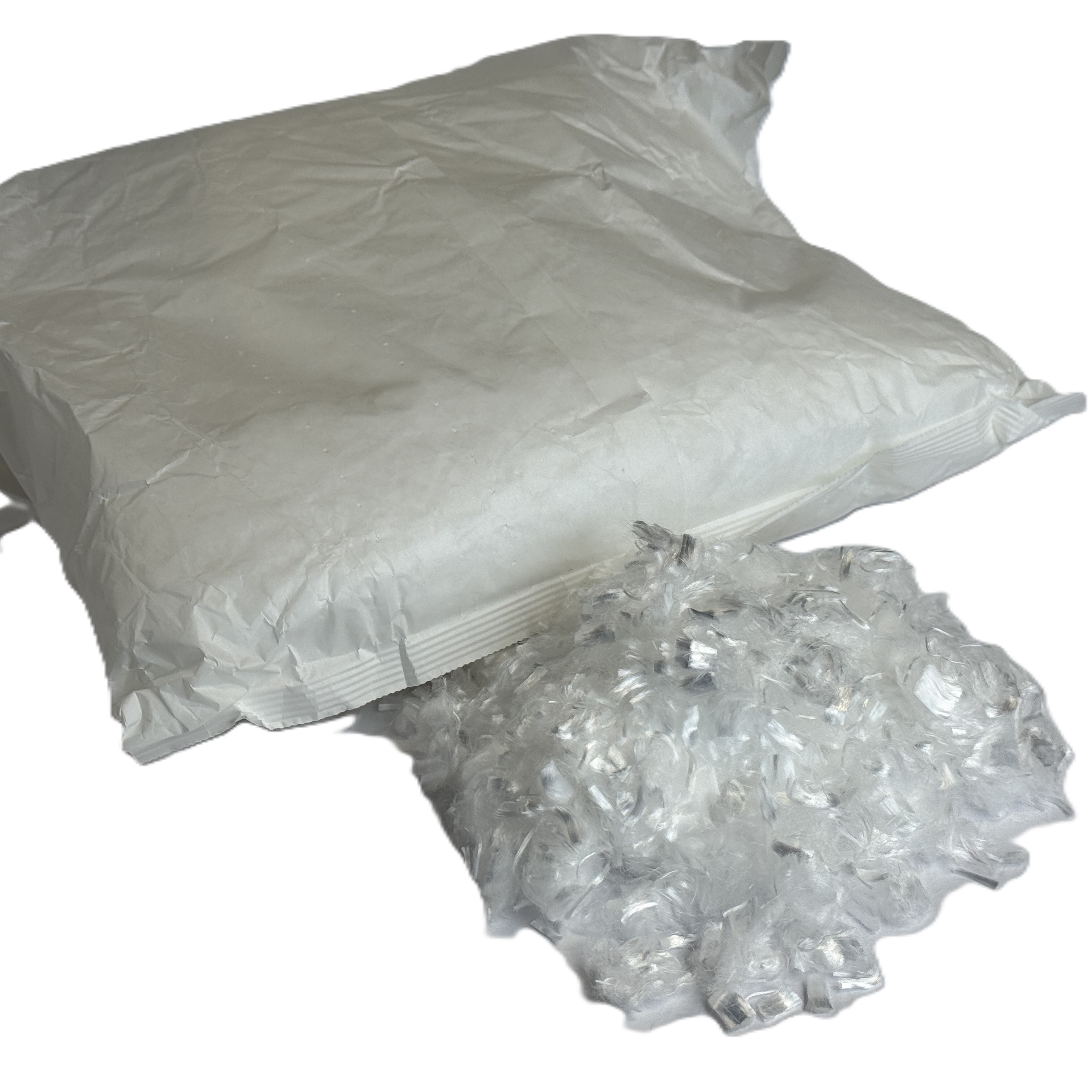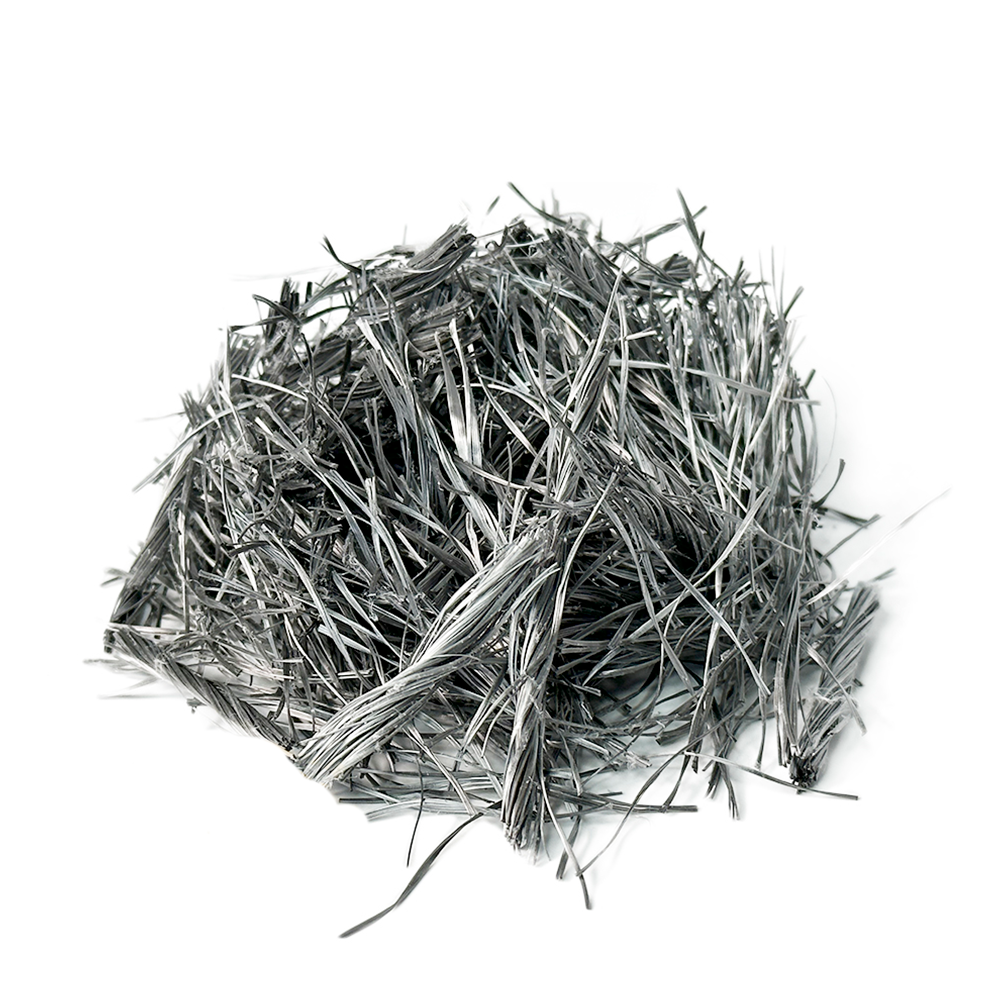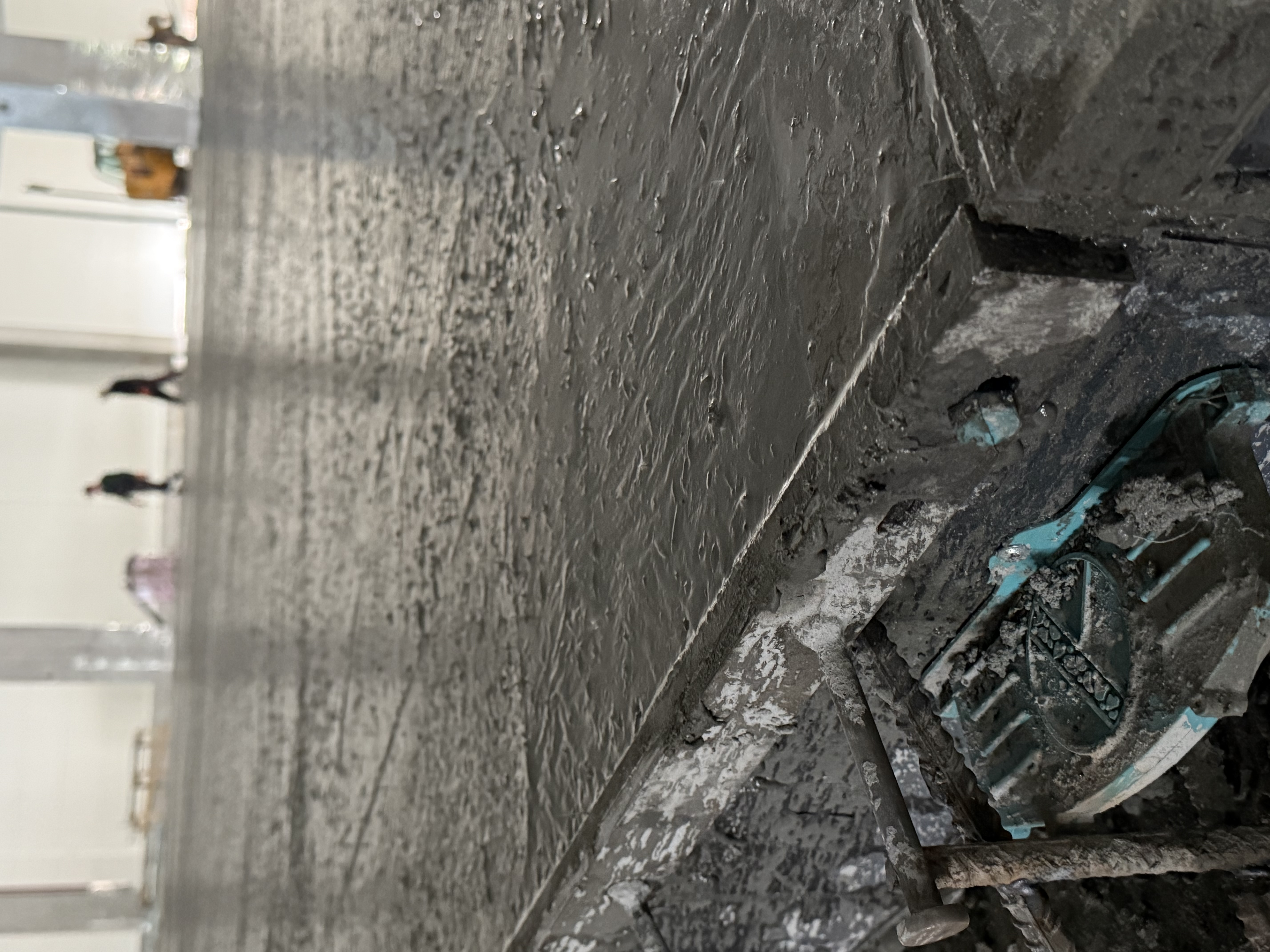
Polyex Mesh fiber for concrete reinforcement

Modern construction is impossible without the use of materials that ensure the durability and stability of structures. One of such solutions is copolymer fiber , which works as a highly effective alternative to steel fiber and anti-shrinkage meshes. Its main task is to ensure crack resistance, stability of concrete geometry and increased wear resistance throughout the entire service life of the object.
1. Why is concrete with fiber stronger?
Reinforcement traditionally increases the load-bearing capacity of structures, but it only works in a specific plane. Copolymer fiber, on the contrary, is evenly distributed throughout the volume of the concrete matrix, creating dispersed three-dimensional reinforcement . Thanks to this, concrete receives:
-
 resistance to micro- and macro-cracks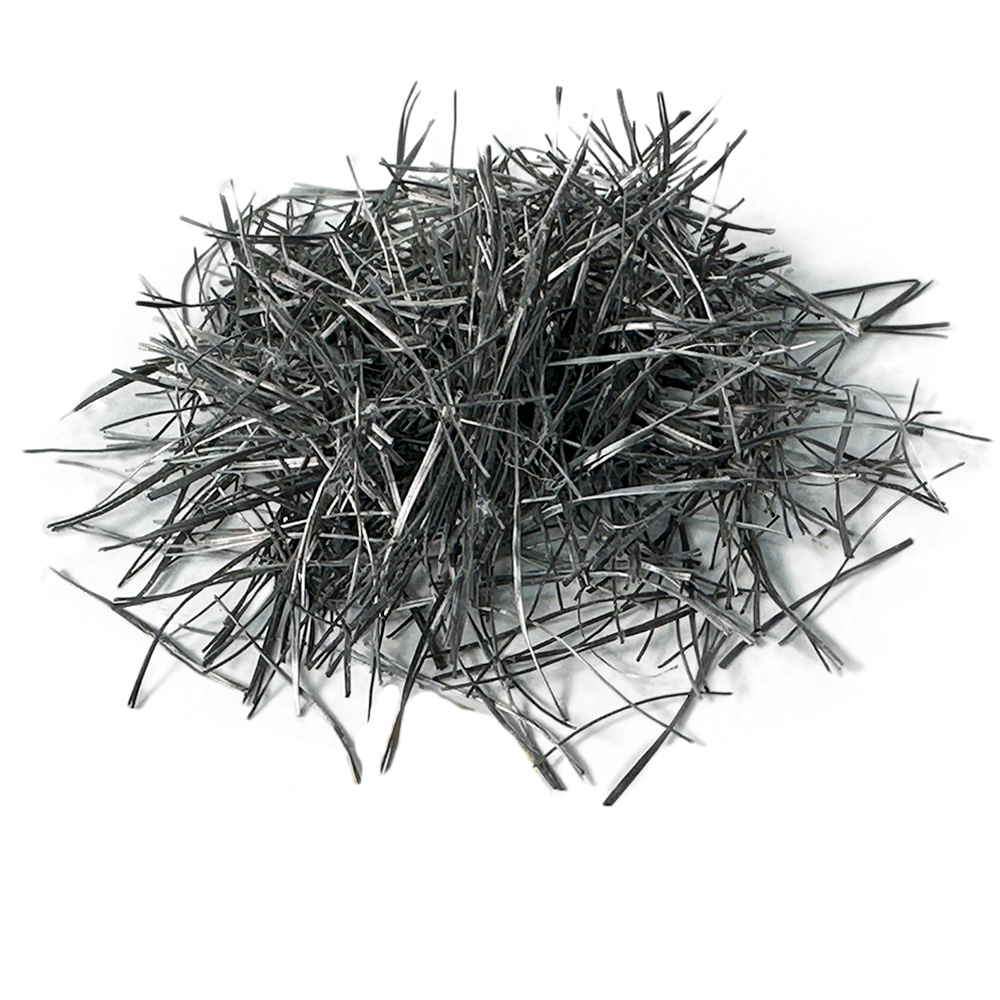
-
shrinkage reduction
-
increased impact strength
-
resistance to chipping and peeling
-
uniform strength gain without internal stresses
The fiber works in the early stages of hardening, when the concrete is most vulnerable, and continues to perform a reinforcing function throughout the life of the structure.
2. How to make concrete as strong as possible?
The main advantage of copolymer fiber is the prevention of cracking . It is cracks that reduce durability, allow moisture to pass through and destroy concrete at the structural level. Adding fiber reduces shrinkage deformations by 31% and increases crack resistance by 37% , as confirmed by independent laboratory tests.
Due to the chaotic spatial arrangement of the fibers, a crack cannot grow quickly: its path is constantly interrupted by transverse fibers. That is why concrete with fibers demonstrates better performance:
-
fracture toughness
-
plasticity in the crack zone
-
increased abrasion resistance
-
durability and stability under load
3. Copolymer fiber in road construction
Fiber-reinforced cement concrete roads are one of the most promising areas that is actively developing in Europe and the USA. Compared to asphalt, fiber-reinforced concrete has:
-
increased strength and rigidity
-
resistance to temperature changes
-
high wear resistance
-
resistance to the environment and salts
-
extended service life without major repairs
In practice, the use of copolymer fiber allows you to increase the pitch of temperature joints by 25–30% , which reduces the cost of work and increases the monolithicity of the slab.
4. Fiber concrete road technology
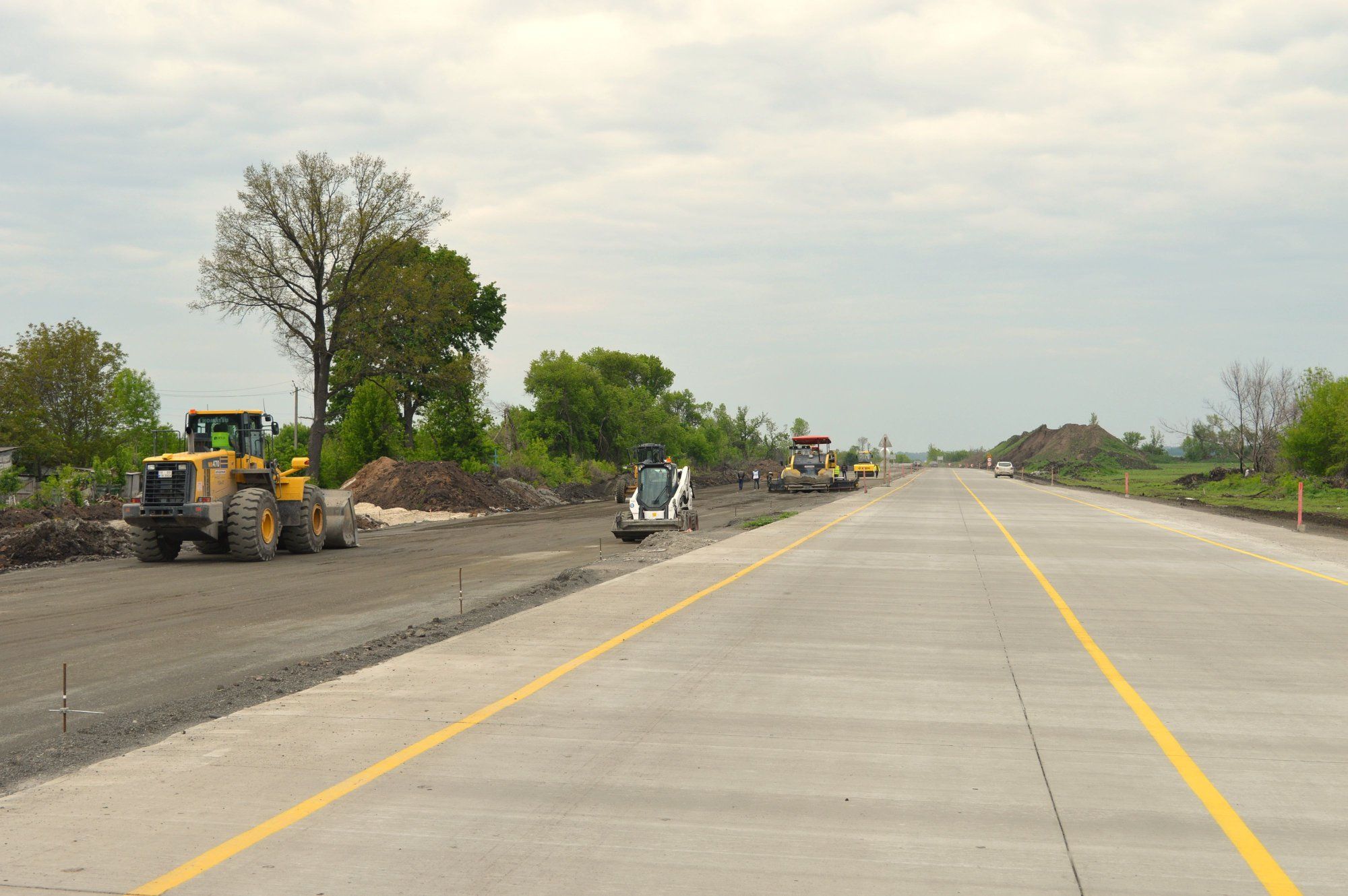
Concrete road surface has its own characteristics:
-
arrangement of temperature and shrinkage joints
-
use of anchors, pins and profiles
-
forming a surface texture for drainage and grafting
-
high requirements for the base and concrete grade (M400–M500)
Three approaches are used in the world:
-
continuous reinforcement;
-
partial reinforcement of the top layer;
-
unreinforced slabs with anti-shrinkage anchors.
 The most economical and effective is the third option in combination with the copolymer fiber Polyex Mesh , which completely replaces anti-shrink mesh and steel fiber, reducing cracks already at the hardening stage.